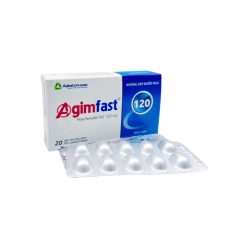
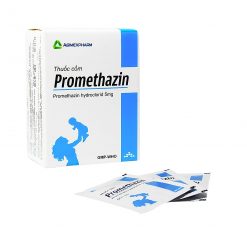
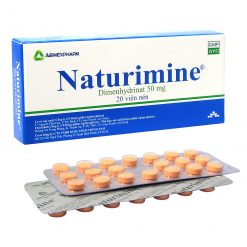
Indications
ALLERMINE hard capsules are indicated for symptomatic control of all allergic conditions responsive to antihistamines, including seasonal and all year round allergic rhinitis (sneezing symptoms, stuffy nose, runny nose…), vasomotor rhinitis, urticaria, angioedema (Quincke’s edema), food allergy, drug and serum reactions, insect bites.
Also indicated for the symptomatic relief of itch associated with chickenpox.
Dosage and administration:
Administration: Oral administration only.
Dosage:
Adults and children 12 years and over: 1 hard capsule every 4 to 6 hours. Maximum daily dose: 6 hard capsules (24 mg) in 24 hours.
Elderly: The elderly are more likely to experience neurological anticholinergic effects. Consideration should be given to using a lower daily dose (e.g. a maximum of 12 mg in 24 hours).
Children aged 6 – 12 years: ½ hard capsule every 4 to 6 hours. Maximum daily dose: 3 hard capsules (12 mg) in 24 hours.
Not recommended for children under 6 years.
Contraindications:
Hypersensitive to antihistamines or to any ingredients of the medicine.
The anticholinergic properties of chlorphenamine are intensified by monoamine oxidase inhibitors (MAOIs). Therefore chlorphenamine is contraindicated in patients who have been treated with MAOIs within fourteen days.
Warnings and precautions for use:
Like other anticholinergic drugs, chlorphenamine should be used with caution in epilepsy, raised intra-ocular pressure including glaucoma, prostatic hypertrophy, severe hypertension or cardiovascular disease; bronchitis, bronchiectasis and asthma, hepatic impairment, renal impairment. Children and the elderly are more likely to experience the neurological anticholinergic effects and paradoxical excitation (e.g. Increased energy, restlessness, nervousness).
The anticholinergic properties of chlorphenamine may cause drowsiness, dizziness, blurred vision and psychomotor impairment in some patients which may seriously affect ability to drive and use machinery.
The effects of alcohol may be increased and therefore concurrent use should be avoided. Chlorphenamine should not be used with other antihistamine containing products, including antihistamine containing cough and cold medicines.
This medicine contains lactose. Patients with rare hereditary problems of galactose intolerance, Lapp lactase deficiency or glucose-galactose malabsorption should not take this medicine.
Pregnancy and lactation:
Pregnancy:
There are no adequate data from the use of chlorphenamine maleate in pregnant women. The potential risk for humans is unknown. Use during the third trimester may result in reactions in the newborn or premature neonates. Not to be used during pregnancy unless considered essentially by a physician.
Lactation:
Chlorphenamine maleate and other antihistamine may inhibit lactation and may be secreted in breast milk. Not to be used during lactation unless considered essential by a physician.
Effects on ability to drive and use machines:
The anticholinergic properties of chlorphenamine may cause drowsiness, dizziness, blurred vision and psychomotor impairment, which can seriously hamper the patients’ ability to drive and use machinery.
Interactions, incompatibilities of medicine:
Interaction:
Concurrent use of chlorphenamine and hypnotics or anxiolytics may cause an increase in sedative effects.
Chlorphenamine inhibits phenytoin metabolism and can lead to phenytoin toxicity.
The anticholinergic effects of chlorphenamine are intensified by MAOIs.
Incompatibilities: Because there are no studies of drug incompatibility, do not mix this drug with other drugs.
Undesirable effects:
Side effects are classified according to frequency: Very common (ADR ≥ 1/10), common (1/100 ≤ ADR < 1/10), uncommon (1/1,000 ≤ ADR < 1/100), rare (1/10,000 ≤ ADR < 1/1,000), very rare (ADR < 1/10,000); can not be estimated from the available data “Not known”.
Very common
Nervous system disorders: Sedation, somnolence.
Common
Nervous system disorders: Disturbance in attention, abnormal coordination, dizziness headache.
Eye disorders: Blurred Vision.
Gastrointestinal disorders: Nausea, dry mouth.
General disorders: Fatigue.
Unknown
Blood and lymphatic system disorders: Haemolytic anaemia, blood dyscrasias.
Immune system disorders: Allergic reaction, angioedema, anaphylactic reactions.
Metabolism and nutritional disorders: Anorexia.
Psychiatric disorders: Confusion, excitation, irritability, nightmares, depression.
Ear and labyrinth disorders: Tinnitus.
Cardiac disorders: Palpitations, tachycardia, arrythmias.
Vascular disorders: Hypotension.
Respiratory, thoracic and mediastinal disorders: Thickening of bronchial secretions.
Gastrointestinal disorders: Vomiting, abdominal pain, diarrhoea, dyspepsia.
Hepatobiliary disorders: Hepatitis, including jaundice.
Skin and subcutaneous disorders: Exfoliative dermatitis, rash, urticaria, photosensitivity.
Musculoskeletal and connective tissue disorders: Muscle twitching, muscle weakness.
Renal and urinary disorders: Urinary retention.
General disorders: Chest tightness.
Inform your physician about undesirable effects encountered when using the medicine.
Overdose and management:
Overdose:
The estimated lethal dose of chlorphenamine is 25 to 50 mg/kg body weight. Symptoms and signs include sedation, paradoxical excitation of the CNS, toxic psychosis, convulsions, apnoea, anticholinergic effects, dystonic reactions and cardiovascular collapse including arrhythmias.
Management:
Symptomatic and supportive measures should be provided with special attention to cardiac, respiratory, renal and hepatic functions and fluid and electrolyte balance. If overdosage is by the oral route, treatment with activated charcoal should be considered provided there are no contraindications for use and the overdose has been taken recently (treatment is most effective if given within an hour of ingestion). Treat hypotension and arrhythmias vigorously. CNS convulsions may be treated with i.v. diazepam. Haemoperfusion may be used in severe cases.
Pharmacodynamic properties:
Pharmacotherapeutic group: Antihistamine H1.
ATC Code: R06AB02.
Chlorphenamine is an antihistamine that diminishes or abolishes the actions of histamine in the body by competitive reversible blockade of histamine H1-receptor sites on tissues. Chlorphenamine also has anticholinergic activity.
Antihistamines act to prevent the release of histamine, prostaglandins and leukotrienes and have been shown to prevent the migration of inflammatory mediators. The actions of chlorphenamine include inhibition of histamine on smooth muscle, capillary permeability and hence reduction of oedema and wheal in hypersensitivity reactions such as allergy and anaphylaxis.
Pharmacokinetic properties:
Absorption, distribution: Chlorphenamine is well absorbed from the gastro-intestinal tract, following oral administration. The effects develop within 30 minutes, are maximal within 1 to 2 hours and last 4 to 6 hours. The plasma half-life has been estimated to be 12 to 15 hours.
Biotransformation: Chlorphenamine is metabolised to the monodesmethyl and didesmethyl derivatives.
Excretion: About 22% of an oral dose is excreted unchanged in the urine. Only trace amounts have been found in the feces
Storage conditions, shelf – life, quality specification of the medicine:
Storage conditions: Protect from humidity and light, below 300C.
Shelf – life: 36 months from the manufacture date. Do not use the medicine after the expiry date.
Quality specification: In house.
A1203011501