Indications:
Treatment of type 2 diabetes mellitus, when diet, physical exercise and weight reduction alone are not adequate.
Dosage and administration:
Administration:
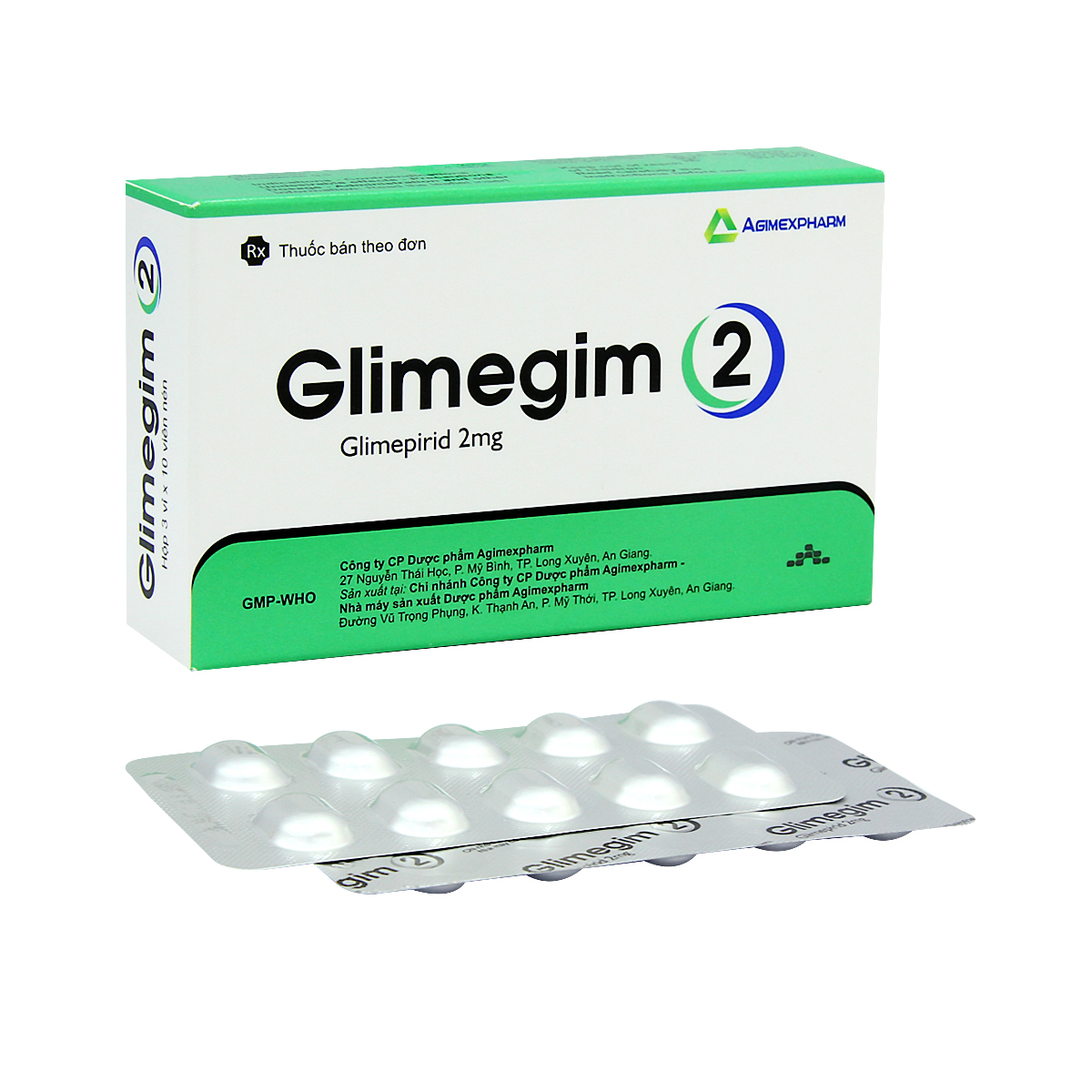
Glimegim 2 tablet should be taken whole with some water before breakfast or lunch. Do not chew the tablets.
The basis for successful treatment of diabetes is a good diet, regular physical activity, as well as routine checks of blood and urine. Tablets or insulin cannot compensate if the patient does not keep to the recommended diet.
The general principle:
For initial and long-term treatment, it is necessary to follow your doctor’s instructions very closely. The dosage of glimepiride must be the lowest which is sufficient to achieve the desired blood glucose level.
Do not skip meals while taking glimepiride tablets.
Do not take extra tablets to make up for a missed dose. If a large or too high dose is taken, inform your doctor immediately.
Dosage:
The dosage is individualized on the basis of both response and tolerance by the results of blood and urinary glucose determinations.
The starting dose is 1 mg glimepiride per day. If good control is achieved, this dosage should be used for maintenance therapy.
If control is unsatisfactory, the dosage should be increased, based on the glycaemic control, in a stepwise manner with an interval of about 1 to 2 weeks between each step, to 2, 3, or 4 mg glimepiride perday.
A dosage of more than 4 mg glimepiride per day gives better results only in exceptional cases. The maximum recommended dose is 6 mg glimepiride per day.
In patients not adequately controlled with the maximum daily dose of metformin, concomitant glimepiride therapy can be initiated. Metformin dose is still maintained, glimepiride therapy is started with a low dose, then adjusted gradually until the desired blood glucose level is achieved. The combination must be closely monitored by the physician.
In patients with uncontrolled blood glucose with a maximum daily dose of glimepiride, concomitant insulin therapy can be considered. While maintaining the glimepiride dose, insulin treatment is started at a low dose and titrated up depending on the desired level of blood glucose control. The combination therapy should be initiated underdose medical supervision.
If a patient has a hypoglycaemic reaction on 1 mg glimepi ride daily, this indicates that they can be controlled by diet alone.
In the course of treatment, as an improvement in control of diabetes is associated with higher insulin sensitivity, glimepiride requirements may fall. To avoid hypoglycaemia, dose reduction or cessation of therapy must be considered. Change in dosage may also be necessary if there are changes in weight or life style of the patient, or otherfactors that increase the risk of hypo- or hyperglycaemia. Switch over from other oral antidiabetic agents to glimepiride
A switch over from other oral antidiabetic agents to glimepiride can generally be done. For the switch over to glimepiride, the strength and half-life of the previous drugs must be taken into account. In some cases, especially in antidiabetics with a long half-life (e.g. chlorpropamide), a wash out period of a few days is advisable in order to minimise the risk of hypoglycemic reactions due to the additive effect. •*
The recommended starting dose is 1 mg glimepiride daily. Depending on the patient’s response, the dose may be increased gradually as described above.
Switch over from insulin to glimepiride
In exceptional cases, where patients with type II diabetes have taken insulin, a changeover to glimepiride may be indicated. The changeover should be closely monitored by physician.
Patient with liver failure or kidney failure
There is limited experience available on the use of glimepiride in patients with hepatic impairment or patients on hemodialysis. It is recommended that insulin should be used in patients with severe hepatic or renal insufficiency.
Children: Data on safety and efficacy in children are inadequate, therefore glimepiride is not recommended.
Some special attention on the handling of the medicine before and after use: There are no special requirements for handling this medicine after use.
Contraindication:
Hypersensitivity to glimepiride or to any of the excipients, or to other sulfonylureas, or to sulfamide derivatives.
Insulin-dependent diabetes (type I).
Ketoacidosis.
Diabetic coma.
Severe renal or hepatic impairment.
Pregnant women or breastfeeding mothers.
Warnings and precautions for use:
Glimepiride must be taken immediately before or during meals.
Patients should be fully instructed on the nature of diabetes and what to do to prevent and detect complications. The goal of treatment is good blood sugar control, so patients have to take the drug regularly, accompanied by diet, appropriate exercise, and weight loss, if necessary. Close supervision is required because hypoglycemia may occurduring initial weeks of the therapy.
In case of irregular meals or skipping meals, treatment with glimepiride can lead to hypoglycemia. Common symptoms of hypoglycemia include: Headache, hunger, weakness, sweating, tremor, discomfort, impaired concentration (see Overdose symptoms below).
The clinical picture of a severe hypoglycemic attack may be similar to that of a stroke. Symptoms can almost be controlled quickly by immediate sugar intake. Artificial sweeteners have no effect. Although this measure may initially be effective, but hypoglycemia may recur.
The clinical picture of a severe hypoglycaemic attack may resemble that of a stroke. Symptoms can almost always be promptly controlled by immediate sugar intake. Artificial sweeteners have no effect. Despite initially successful countermeasures, hypoglycaemia may recur.
Severe hypoglycaemia or prolonged hypoglycaemia, is only temporarily controlled by the usual amounts of sugar, require immediate medical treatment and occasionally hospitalisation.
Factors contributing to hypoglycemia include:
- Non-compliance with or non-cooperation with drug therapy (commonly seen in the elderly patients).
- Malnutrition, irregular mealtimes or skipped meals or being on a diet.
-Alterations in diet.
- Imbalance between consumption of carbohydrates and physical performance.
- Consumption of alcohol, especially in combination with skipped meals.
- Impaired renal function.
- Severe hepatic dysfunction.
- Glimepiride overdosage.
- Certain disorders of the endocrine system affect the carbohydrate metabolism or regulation of blood glucose (such as certain disorders of thyroid function, pituitary or adrenocortical insufficiency).
- Concurrent administration of certain other medicines (see Interaction with other medicinal products and other forms of interaction).
During glimepiride therapy, glucose levels in blood and urine must be monitored regularly. Regular hepatic and hematological monitoring (especially leucocytes and thrombocytes) are required during treatment with glimepiride tablets.
In stressful siterations (eg, accidents, operations, infections with high fever etc.), a temporary switclxteinsdlin may be indicated.
Glimepiride should not be administered to pediatric patients under 18 years of age.
Treatment of patients with G6PD deficiency with sulfonylurea agents may lead to hemolytic anemia. Because glimepiride belongs to the sulfonylurea group, caution should be used in patients with G6PD-deficiency and a non-sulfonylurea alternative should be considered.
There are limited experiences on the use of glimepiride tablets in patients with impaired hepatic function or kidney disease. In patients with severely impaired renal or hepatic function, insulin is indicated. This drug contains lactose and tartrazine.
- Lactose: Patients with rare hereditary problems of galactose intolerance, Lapp lactase deficiency orglucose-galactose malabsorption should not take this medicine.
- Tartrazine: May cause an allergic reaction.
Pregnancy and lactation:
Pregnancy:
- Risk related to the diabetes: Abnormal blood glucose levels during pregnancy are associated with a higher incidence of congenital abnormalities and perinatal mortality. So the blood glucose level must be closely monitored during pregnancy in order to avoid the teratogenic risk. The use of insulin is required under such circumstances. Patients who consider pregnancy should inform their physician.
- Risk related to glimepiride: There are no adequate data from the use of glimepiride in pregnant women. Animal studies have shown reproductive toxicity which likely was related to the pharmacologic action of glimepiride. Consequently, glimepiride should not be used during the whole pregnancy. In case of treatment by glimepiride, if the patient plans to become pregnant or if a pregnancy is discovered, the treatment should be switched as soon as possible to insulin therapy. Women who are likely to become pregnant or are taking contraceptives should consult their doctor carefully before starting treatment with this medication.
Lactation:
The excretion in human milk is unknown. Glimepiride is excreted in rat milk. As other sulfonylureas are excreted in human milk and there is a risk of hypoglycaemia in nursing infants, breast-feeding is advised against during treatment with glimepiride.
Effects on ability to drive and use machines:
There is no evidence about the effects of glimepiride on ability to drive or use machine. However, caution should be exercised when using the drug for the driver or the operator because their ability to concentrate and their response may be reduced due to high or low blood glucose levels
Name, address of manufacturer:
and visual impairment. Patients should be advised to take precautions to avoid hypoglycemia while driving.
Interactions, incompatibilities of medicine:
Interaction with other medicinal products and other forms of interaction:
Concurrent administration of glimepiride with other drugs may result in increased or decreased effects of glimepiride. Therefore, patient should consult the treating doctor before taking another medicine.
Glimepiride is metabolized in the liver by cytochrome P450 (CYP2C9). Its metabolism will be altered by concomitant administration of CYP2C9 inducers (e.g. rifampicin) orwith inhibitors (e.g. fluconazole). The following interactions should be noted:
Potentiation of the blood-glucose-lowering effect: Hypoglycemia may occur when glimepiride is used concurrently with following medicinal products:
- Phenylbutazone, azapropazone and oxyphenbutazone.
-1 nsulin and oral antidiabetic products, such as metformin.
-Antibiotics such as ciprofloxacin, pefloxacin etc.
- Salicylates and para-aminosalicylic acid, some nonsteroidal anti-inflammatory drugs (NSAIDs). -Anabolic steroids and male sex hormones.
- Chloramphenicol, certain long acting sulfonamides, tetracyclines.
-Coumarin anticoagulants.
-Fenfluramine.
-ACE inhibitors.
-Fluoxetine, MAO-inhibitors.
-Allopurinol, probenecid, sulfinpyrazone.
-Sympatholytics.
- Cyclophosphamide, trophosphamide and iphosphamides.
- Miconazole, fluconazole.
- Pentoxifylline (high dose parenteral).
-Tritoqualine.
Weakening of the blood-glucose-lowering effect: Increase in blood glucose levels may occur when one of the following medicinal products is taken:
- Estrogen and progestatif.
-Saluretics, thiazide diuretics.
-Thyroid stimulating agents, glucocorticoids.
- Phenothiazine derivatives, chlorpromazine.
-Adrenaline and sympathicomimetics.
- Nicotinic acid (high dosages) and nicotinic acid derivatives.
- Laxatives (long term use).
- Phenytoin, diazoxide.
-Glucagon, barbiturates and rifampicin.
-Acetazolamide.
Potentiation or weakening of the blood-glucose-lowering effect:
-H2 antagonists.
-Beta-blockers, clonidine, guanethidineand reserpine.
Alcohol intake may potentiate or weaken the hypoglycemic action of glimepiride in an unpredictable fashion.
Glimepiride may either potentiate orweaken the effects of coumarin derivatives.
Colesevelam binds to glimepiride and reduces glimepiride absorption from the gastrointestinal tract. No interaction was observed when glimepiride was taken at least 4 hours before colesevelam. Therefore, gIimepiride should be administered at least 4 hours prior to colesevelam.
Incompatibilities:
Because there are no studies about the incompatibility of the medicine, it should not be mixed with other medicines.
Undesirable effects:
Adverse reactions are ranked according to frequency: Very common (ADR > 1/10), common (1/100 <ADR <1/10), uncommon (1/1,000 SADR < 1 /100), rare (1/10,000 <ADR < 1/1,000), very rare (ADR < 1/10,000), can not be estimated from the available data “Not known”.
The most important ADR is hypoglycemia. When hypoglycemia occurs, “Overdose and management” section should be followed.
Common:
Neurological: Vertigo, dizziness, headache.
Rare:
Blood and lymphatic system disorders: Thrombocytopenia, leukopenia, granulocytopenia, agranulocytosis, erythropenia, haemolytic anaemia and pancytopenia, which are in general reversible upon discontinuation of medication.
Vascular: Allergic vasculitis.
Metabolism and nutrition disorders: Hypoglycemia.
These hypoglycemic reactions mostly occur immediately, may be severe and are not always easy to correct. The occurrence of such reactions depends on the different treatments for hypoglycemia, with individual factors such as dietary habits and dosage.
Very rare:
Immune system disorders: Leukocytoclastic vasculitis, mild hypersensitivity reactions that may develop into serious reactions with dyspnea, fall in blood pressure and sometimes shock.
Gastrointestinal disorders: Nausea, vomiting, sensations of pressure or fullness in the epigastrium, abdominal pain and diarrhea.
Hepato-biliary disorders: Hepatic function abnormal (e.g. with cholestasis and jaundice), hepatitis and hepaticfailure.
Investigations: Hyponatremia.
Not known:
Blood and lymphatic system disorders: Severe thrombocytopenia with platelet count less than 10,000/pl and thrombocytopenic purpura.
Immune system disorders: Cross-allergenicity with sulfonylureas, sulfonamides or related substances may occur.
Visual disorders: Transient visual disturbances may occur on initiation of treatment, due to changes in blood glucose levels.
Hepato-biliary disorders: Hepatic enzymes increased.
Skin and subcutaneous tissue disorders: Hypersensitivity reactions of the skin may occur as pruritus, rash, urticaria and photosensitivity.
Guidelines for ADR management:
In general, undesirable effects mentioned above will decrease gradually and resolve themselves during the therapy. If they become severe, the therapy must be discontinued.
Overdose and management:
Overdose:
Glimepiride overdose can cause severe hypoglycemia, sometimes life-threatening hypoglycemia.
Manifestations of glimepiride overdose: Headache, lethargy, tremor, sweating, clammy skin, anxiety, tachycardia, hypotension, restlessness, irritability, chest tightness, arrhythmia, ravenous hunger, nausea, vomiting, drowsiness, decreased concentration, decreased flexibility, decreased reactivity, speech disorders, sensory disorders, minor paralysis, dizziness, visual disturbances, drowsiness, depression, confusion, loss of consciousness leading to coma. In case ofcoma, shallow respiration and bradycardia were observed. The clinical picture of a severe hypoglycemic attack may be similar to that of a stroke. Symptoms may not be present for up to 24 hours after ingestion.
Management:
In case of mild hypoglycemia: Oral administration of glucose or sugar solution (dissolve about 20
- 30 g in a glass of water), and monitoring blood glucose level. Sugar is taken at 15-minute intervals until the blood glucose level are within normal range. The dosage, diet, and physical activit may be adjusted.
If severe hypoglycemic reactions with coma, seizure, or neurological impairment occur: Patients should be immediately moved to health facilities to be treated with glucagon or concentrated glucose solution.
In cases of acute intake of large amounts of glimepiride, detoxification (e.g. by gastric lavage and administration of medicinal charcoal) is indicated.
Pharmacodynamic:
Pharmacotherapeutic group: Blood glucose lowering drugs, sulfonylurea derivatives.
ATCcode: A10BB12.
Glimepilide is an orally active hypoglycaemic substance belonging to the sulphonylurea group. Glimepiride acts mainly by stimulating beta-cells of the pancreatic islets of Langerhans to release insulin.
Glimepiride acts by binding to receptors in the pancreatic beta cell membrane, leading to closure of theATP-sensitive potassium channel. Closing the potassium channel induces depolarisation of the beta cell membrane and results by opening of calcium channels in an increased influx of calcium into the cell. This leads to insulin release through exocytosis.
Glimepiride also has some extrapancreatic effects, improves the sensitivity of peripheral tissues for insulin and reduces the absorption of insulin in the liver. Glimepiride increases very rapidly the number of active glucose transport molecules in the plasma membranes of muscle and fat cells, resulting in stimulated glucose uptake into muscle and fat tissues.
Pharmacokinetics:
Absorption: Bioavailability of glimepiride is very high. Food intake does not alter significantly the absorption, only the absorption rate is slightly slower. Maximum plasma concentrations are reached approximately 2.5 hours after oral administration.
Distribution: Glimepiride has a very low distribution volume (approx 8.8 litres) which is roughly equal to the albumin distribution space, high protein binding (> 99%), and a low clearance (approx 48 ml/min). The plasma half- life of glimepiride is within 5 – 8 hours, but after high doses, slightly longer half-lives are noted.
Transformation and elimination: After a single dose of radiolabelled glimepiride, 58% of the metabolites was recovered in the urine, and 35% in the feces. No unchanged metabolite was detected in the urine. Glimepiride is metabolized in the liver. Two metabolites of glimepiride, the hydroxy derivative and the carboxy derivative, were identified both in urine and feces.
Animal studies have shown glimepiride is excreted in the milk. Glimepiride crosses the placenta barrier; poorly crosses the blood-brain barrier.
Storage conditions, shelf – life, quality specification of the medicine:
Storage conditions: Protect from humidity and light, below 30°C.
Shelf-life: 36 months from the manufacture date.
Quality specification: Inhouse.
W16000603