Indications:
Captagim is indicated for the treatment of:
- Hypertension
- Heart failure.
- Captagim is indicated in post-myocardial infarction (in hemodynamically stable patients).
Dosage and administration
Captopril should be taken 1 hour before meals. Dosage must be individualized.
- Hypertension: The usual dose is 25 mg once daily, 2-3 times daily. If blood pressure has not been controlled after 1-2 weeks, the dose may be increased to 50 mg once, 2-3 times daily. The dose of Captagim does not exceed 150 mg per day, a modest dose of a thiazide-type diuretic may be added.
- Hypertensive crisis (when blood pressure must be reducedwithin a few hours): 12.5 mg – 25 mg/once, the interval between doses is 30-60 minutes or longer.
- Renal impairment: The doses depend on creatinine clearance:
- < 50 ml /min /m2, the initial dose is 12.5 mg once, 3 times daily. If the effect is not achieved after 2 weeks, the dose is increased to 25 mg once, 3 times daily.
- < 20 ml /min /m2, the initial dose of is 6.25 mg once, 3 times daily. If the effect is not achieved after 2 weeks, the dose is increased to 12.5 mg once, 3 times daily.
- Heart failure: Usual dose is 6.25 mg – 50 mg once, 2 times daily. If necessary, the dose can be increased to 50 mg once, 2 times daily. Captopril should be used in combination with a diuretic.
- Left ventricular dysfunction after myocardial infarction: Therapy may be initiated as early as 3 days following a myocardial infarction. After taking the initial dose of 6.25 mg, three times daily, treatment may be continued at 12.5 mg, 3 times daily. Captagim should then be increased to 25 mg, three times daily during the next several days and to the target dose of 50 mg, three times daily over the next several weeks as tolerated. Captopril may be combined with other post-myocardial infarction therapies, e.g., thrombolytics, aspirin and beta-blockers.
- Diabetic nephropathy: The recommended dose of captopril is 25 mg, three times daily. Captagim should be used for long time and if the intended effect has not been achieved, other antihypertensives may be used in conjunction with captopril.
- Children: Initial dose is 0.3 mg per kg body weight, 3 times daily. Dosage may be increasedin increments of 0.3 mg/kg at intervals of 8-24h until the lowest effective dose is attained.
Contraindications
- Known hypersensitivity to captopril or to any of the excipients of the product.
- A history of angioedema, post – myocardial infarction (if hemodynamics is unstable).
- Patients with bilateral renal artery stenosis or renal artery stenosisin a solitary kidney.
- Aortic or mitral valve stenosis, obstructive hypertropic cardiomyopathy.
- Pregnant women and nursing mothers.
Precautions
- Patients with impaired renal function. Hemodialysis.
- Patients who are volume and/or sodium depleted by vigorous diuretic therapy because of the risk of severe hypotension.
- Captopril should be used with caution in combination with potassium-sparing diuretics, potassium containing salts and electrolyte balance should be monitored frequently.
- Severe hypotension in patients whose plasma renin activity increases strongly after taking initial dose of captopril.
- Risk of high increase of anaphylactoid reactions: Anaphylactoid reactions have been observed in patients haemodialysed with high-flux polyacrylonitrile (AN69) membranes or undergoing low-density lipoprotein apheresis with dextran sulfate absorption and desensitization procedures.
- Captoprilmay cause a false–positive urine test for
Interactions
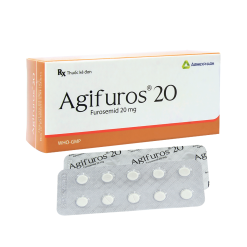
- Concomitant use of furosemide and captopril causes a synergistic effect on loweringblood pressure.
- The non-steroidal anti-inflammatory drugs (especially indomethacin) and sympathomimetics reduce antihypertensive effect of Captopril.
- Captopril may cause increased serum lithium levels and symptoms of lithium toxicity in patients receiving lithium concomitantly.
- Cyclosporine or potassium sparing diuretics may cause hyperkalemia when used concurrently with captopril.
Pregnancy and lactation
- Pregnancy: Whenused in pregnancy during the second and third trimesters captopril can cause fetal and neonatal injury including hypotension, neonatal skull hypoplasia, anuria, reversible or irreversible renal failure and even Oligohydramnios has also been reported, presumably resulting from decreased foetal renal function. Prematurity, intrauterine growth retardation and patent ductus arteriosus have also occurred. Therefore, captopril is contraindicated during pregnancy.
- Lactation: Captopril is excreted into human milk and may cause unwanted effects on breastfed infants. Thus, the use of Captopril and other ACE inhibitors in a breast-feeding mother is not recommended.
Effects on ability to drive and use machines
Captopril can influence the ability to drive and use machines, usually at the start of the treatment, or when dose is modified. Therefore, patients should not drive or use machinery if they feel light-headed or dizzy when taking Captagim tablets.
Undesirable effects
Most of the ADRs are dizziness and rash (about 2%). These reactions are usually dose-dependent and related to complicating factors such as renal impairment, connective tissue disease of blood vessels.
Common, ADR >1/100
- Body as a whole: Dizziness
- Skin: Rash, pruritus.
- Respiratory: Cough.
Uncommon, 1/100 >ADR >1/1000
- Circulation: Severe hypotension.
- Gastrointestinal: Loss of taste perception, stomatitis, gastritis, abdominal pain, epigastric pain
Rarely, ADR < 1/1000
- Body as a whole: Hypersensitivity, urticaria, myalgia, fever, eosinophilia, lymphadenopathy, weight loss.
- Circulation:
- Endocrine: Gynaecomastia.
- Skin: Angioedema, swollen lips, swollen tongue; hoarseness due to vocal cord edema, limb edema. This is often due to previous lack of complement-metabolizing enzyme, combined with increased bradykinin, which may be life-threatening. Photosensitivity, pemphigoid reactions, erythema multiforme, Stevens Johnson syndrome, exfoliative dermatitis.
- Hepatobiliary: Jaundice, pancreatitis.
- Respiratory: Bronchospasm, exacerbated
- Musculoskeletal: Muscle pain, joint pain.
- Nervous: Paresthesia.
- Psychiatric: Confusion, depression.
- Genitourinary: Proteinuria, nephrotic syndrome, hyperkalemia, renal insufficiency.
Inform your doctor of any adverse effects encountered when using Captagim.
Pharmacodynamic Properties
- Captopril is an inhibitor of angiotensin converting enzyme (ACE) which converts angiotensin I to angiotensin II via the suppression of the plasma renin-angiotensin-aldosterone system. (Angiotensin-II is a potent endogenous vasoconstrictor substance and also stimulates aldosterone secretion from the adrenal cortex, thereby contributing to sodium and fluid retention).
- Antihypertensive effects: Captopril has antihypertensive effect via the reduction of peripheral arterial resistance (Captopril has no effect on cardiac output). The reductions of blood pressure are often observed 60-90 minutes after starting dose. The duration of effect is dose related. After usual dose the effect usually persists for at least 12 hours. Maximal therapeutic effects are achieved after 4 weeks. Regression of left ventricular hypertrophy was observed after taking Captopril for 2-3 months. Hypotensive effect is not dependent on standing and supine positions.
- Orthostatic hypotension is uncommon, but it may occur, especially in people with reduced blood volume.
- Treatment of heart failure: Captopril has good effect against myocardial hyperplasia by inhibiting the formation of angiotensin II, an important stimulant of myocardial growth. In heart failure captopril reduces preload, peripheral resistance and increases cardiac output. Therefore, Captopril increases action potential of the heart.
- Treatment of myocardial infarction: Captopril has the ability to slow the progression of atherosclerosis. Therefore, Captopril reduced the incidence of recurrent myocardial infarction, and reduced overall mortality after myocardial infarction.
Pharmacokinetic properties
Oral bioavailability of Captopril is approximately 65%. Peak plasma concentrations are reached 1 hour after oral administration. The presence of food in the gastrointestinal tract reduces absorption by about 30 to 40 percent; captopril therefore should be given one hour before meals. The volume of distribution was about 0.7 l/kg. Plasma biological half-life was about 2 hours. The total body clearance of captopril was approximately 0.8 l/kg/hr, renal clearance was 50%, and average is 0.4 liters /kg/ hr. 75% of absorbed dose is excreted in the urine, of which 50% the remainder is the disulfide dimer of captopril and captopril-cysteine disulfide. Renal impairment may result in accumulation of captopril in the body.
Overdose and treatment
- Symptoms: Fever, headache, hypotension.
- Stop taking Captopril and the patientshould be hospitalized. Subcutaneous adrenaline injection, intravenous diphenhydramine hydrochloride injection, intravenous hydrocortisone injection are recommended.
- 9% Sodium chloride solution is intravenously transfused to maintain blood pressure. Captopril may be removed from circulation by haemodialysis.